
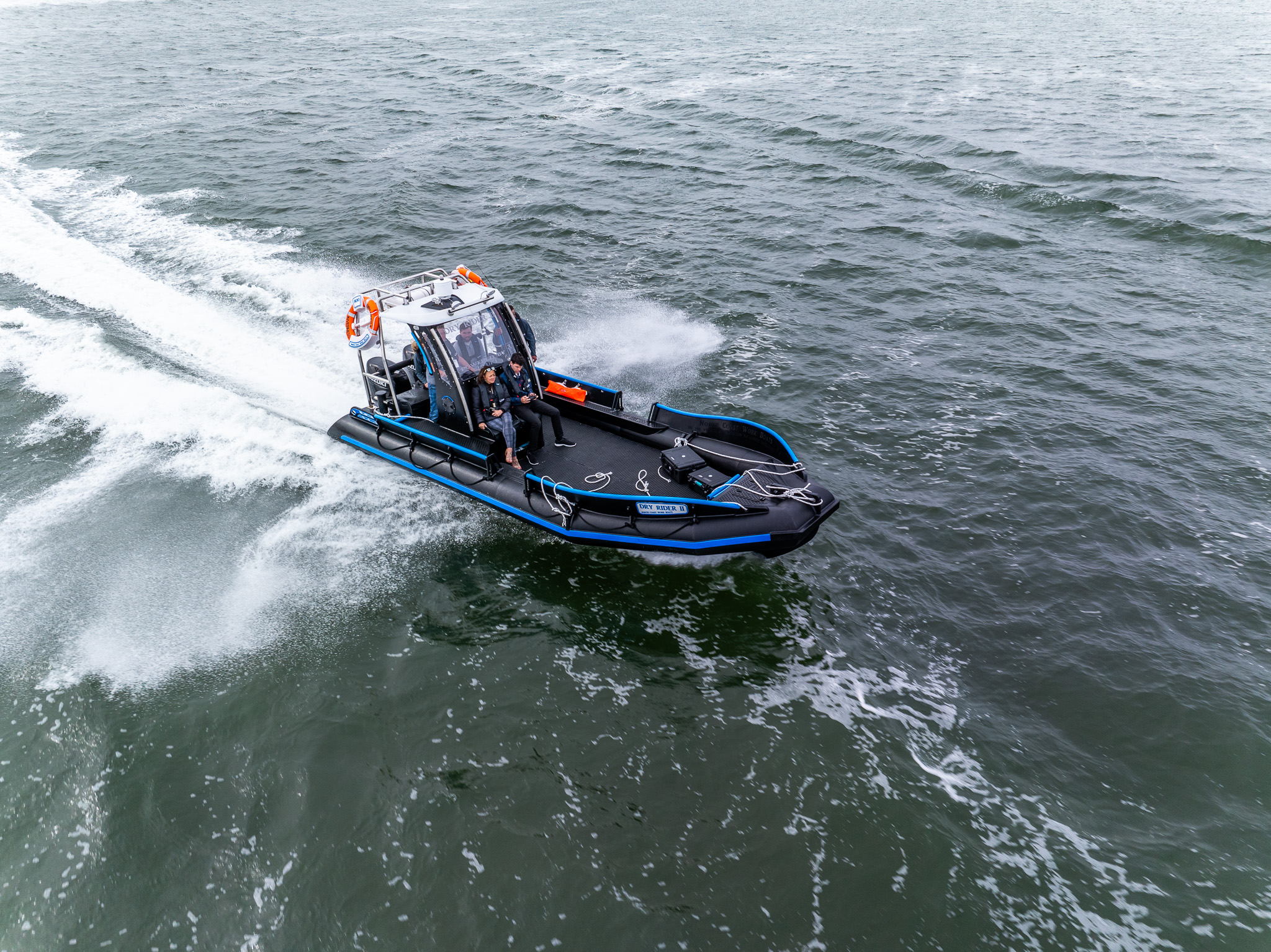
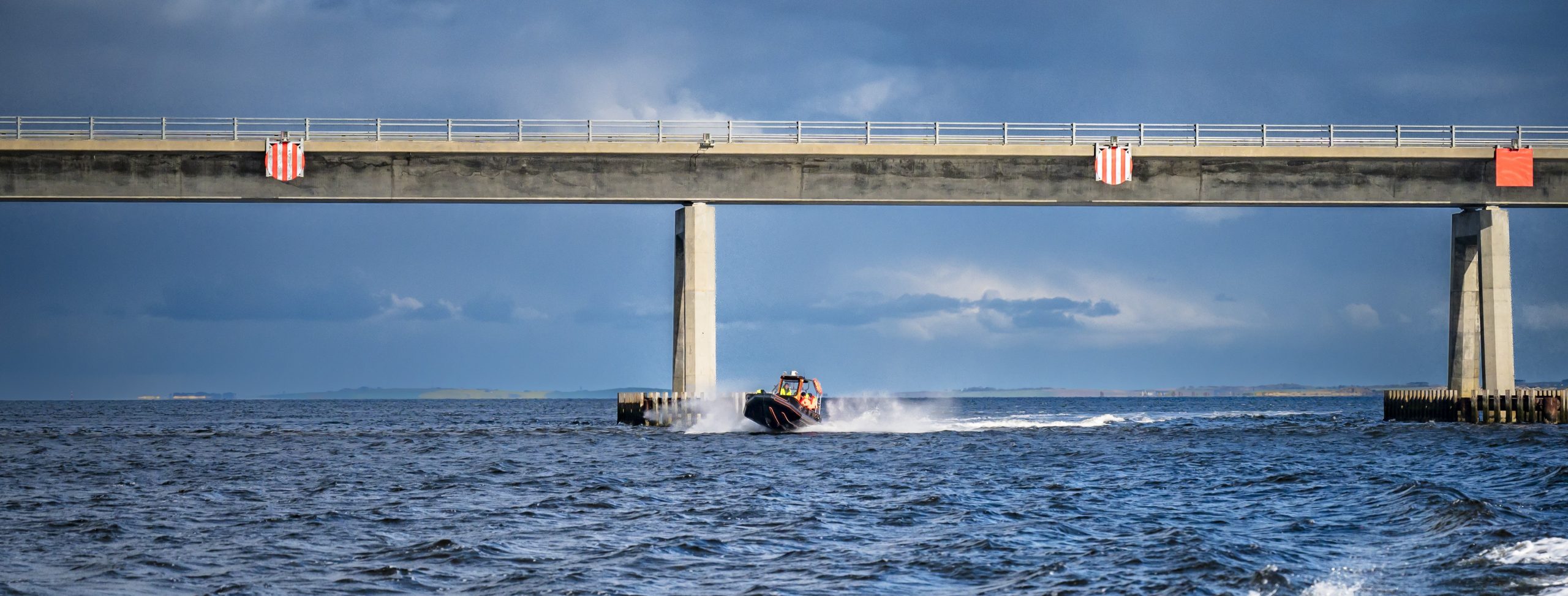
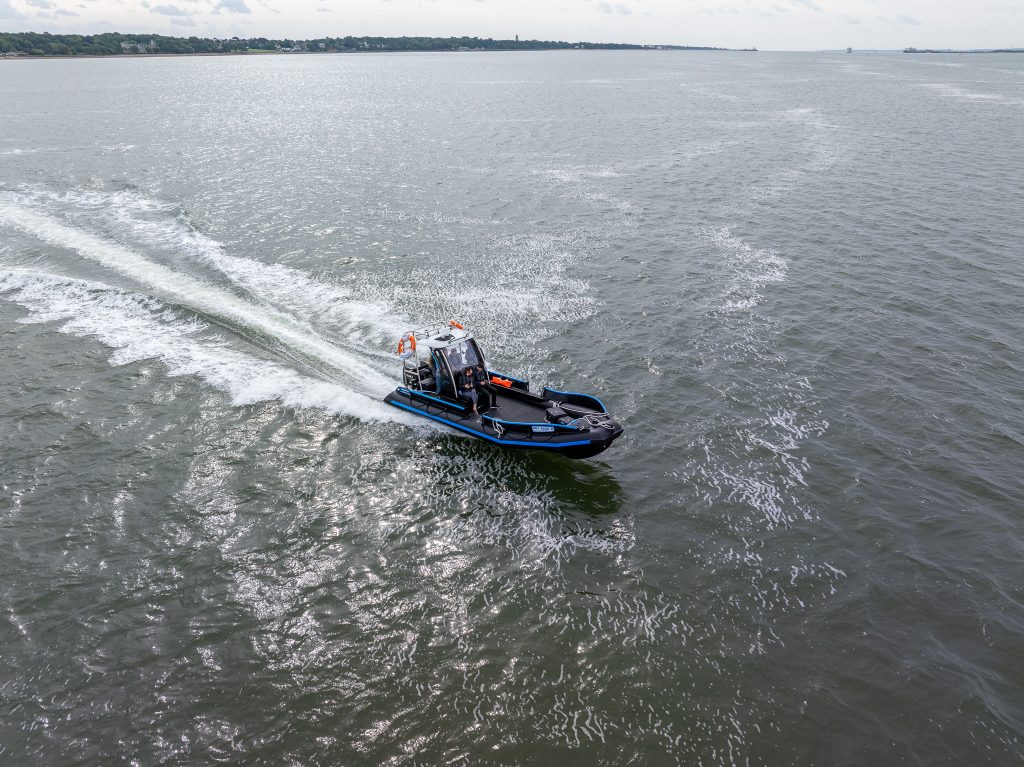
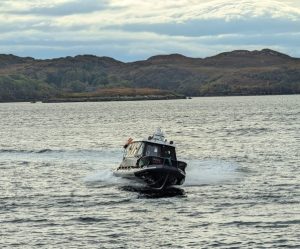
A Workboat Code 3 compliant vessel refers to a boat designed and constructed to meet specific international standards for safety, stability, and operational performance as outlined in the International Code of Safety for High-Speed Craft (HSC Code). It is typically used for commercial, industrial, or service purposes. These boats are often employed in roles such as transportation, offshore work, or support vessels and are intended to operate in specific conditions while ensuring the safety of both crew and passengers.
All of the workboats produced by North Coast Workboats are complaint with revision 3 of the workboat code.
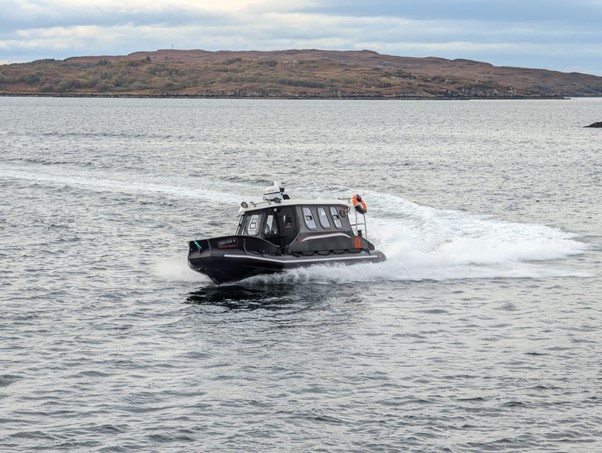
Durability and strength
- Resistance to impact
HDPE is highly resistant to impact, making it ideal for boats that may face rough waters or accidental bumps. It can absorb shocks and stresses without cracking or breaking. - Toughness
HDPE’s molecular structure gives it exceptional toughness, which contributes to the longevity of the boat, especially in environments where the boat might face high-impact or harsh conditions.
Corrosion and chemical resistance
- Waterproof
HDPE is virtually impervious to water, making it resistant to rot, rust, and corrosion which are common issues for boats made from metal. - Chemical resistance
It also resists a wide range of chemicals, oils, and fuels which is especially beneficial for boats exposed to various substances.
Lightweight
- Reduced weight
HDPE is a light-weight material, which contributes to lower overall boat weight. This can improve speed, fuel efficiency and handling as well as ease of transport and launching.
Flexibility
- Malleability
HDPE can be moulded into different shapes allowing for design flexibility. This can result in more innovative and unique boat designs. Additionally, its flexibility adds resilience to the hull, helping the boat handle impacts without damaging its structure.
Low maintenance
- Easy to clean
The smooth surface of HDPE makes it easier to clean and maintain than other materials like metal or fibreglass due to its ability to resist algae growth. - No painting or coating needed
Unlike metal boats that require painting, HDPE boats do not need this extra step, saving both time and money.
Environmental friendliness
- Recyclable
HDPE is a recyclable material, which makes it an environmentally friendly option. It can be reused, reducing waste and the environmental impact of boat building. - Sustainable
The longevity and durability of HDPE mean fewer boats need to be replaced over time, further reducing the environmental footprint.
Cost effectiveness
- Lower initial costs
HDPE boats are generally more affordable to manufacture compared to boats made from fiberglass or aluminum, providing a cost-effective option for both builders and buyers. - Reduced long term costs
Given the low maintenance needs and durability of HDPE, owners spend less on upkeep and repairs, making it a cost-effective choice in the long run.
UV resistance
- Resistant to UV radiation
HDPE is highly resistant to UV radiation which helps prevent degradation and fading from prolonged exposure to sunlight. This is crucial for boats exposed to the elements.
Safety
- Non-toxic
HDPE is non-toxic, making it a safer material for both the environment and users, especially in terms of water safety. Additionally, its buoyancy adds an extra safety benefit, as boats made from HDPE may float even if the hull is damaged.
Customisation and versatility
- Colour options
HDPE can be produced in a variety of colours, offering aesthetic customisation to boat builders and owners.
In summary, HDPE’s durability, low maintenance, environmental friendliness, and cost-effectiveness make it an excellent choice for boat building, whether for personal or commercial use. Its ability to withstand harsh conditions and its versatility in design and application contribute to its growing popularity in the marine industry.
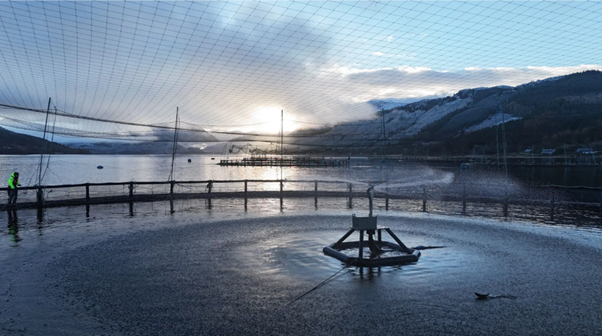
As well as producing high-quality work boats we also have experience building various other HDPE based aquaculture products and accessories.
Perhaps the most significant recent product is our recent collaboration with MOWI Scotland to design and produce a floating feed-spinner island for their fish pens. This has been a great success and continues to deliver fantastic results such as accelerated smolt growth and healthier fish in general. Other benefits include increased efficiency, reduced energy usage and a reduction of expelled microplastics, for more information please click here.